
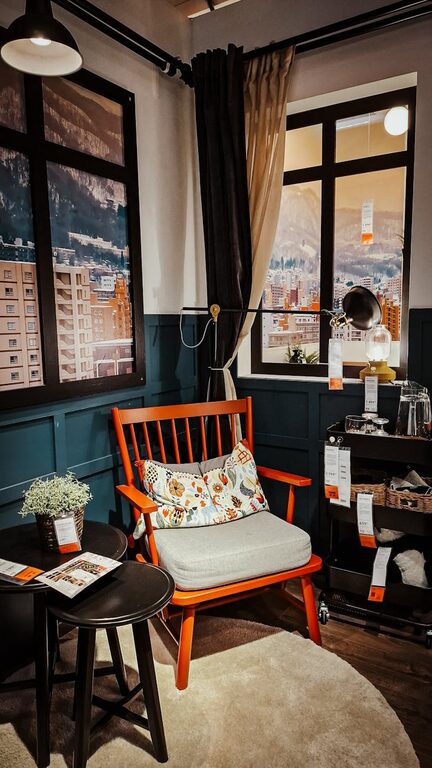
Bringing plants into your home is one of the easiest and most enjoyable ways to refresh your space. Not only do they add color and life, but they can also improve air quality and create a calming atmosphere. Whether you’re a seasoned plant parent or just starting out, this guide will help you choose, care for, and style plants to transform your home naturally.
Why Add Plants to Your Home?
Plants offer both aesthetic and health benefits. They can:
– Purify the air by filtering toxins
– Boost your mood and reduce stress
– Add texture and softness to your decor
– Bring a touch of nature indoors, even in small spaces
With so many varieties available, it’s easy to find plants that suit your style and lifestyle.
Choosing the Right Plants for Your Space
Consider Lighting Conditions
Different plants thrive under different light conditions. Assess the natural light in the rooms where you plan to place plants:
– Bright, direct light: Succulents, cacti, fiddle leaf figs
– Bright, indirect light: Snake plants, pothos, spider plants
– Low light: ZZ plants, peace lilies, philodendrons
Matching plants to your lighting will help them flourish with minimal effort.
Think About Your Schedule
If you have a busy lifestyle or tend to forget plant care, choose low-maintenance varieties such as:
– Snake plant
– ZZ plant
– Cast iron plant
These tolerate neglect and require less watering.
Size and Space
Measure the space where you want to place plants. Large floor plants can become statement pieces, while small pots are perfect for shelves, desks, or windowsills.
Plant Care Basics
Watering Tips
Overwatering is the most common issue. To avoid this:
– Check the soil moisture before watering; most plants prefer the soil to dry out slightly between watering.
– Use pots with drainage holes.
– Water less frequently in winter.
Choosing the Right Soil and Pot
Use a potting mix suitable for your plant type. Succulents need well-draining soil, while tropical plants prefer moisture-retentive mixes.
Ensure pots have drainage holes to prevent root rot—this is important even for plants placed inside decorative containers.
Fertilizing
Plants benefit from occasional feeding. Use a balanced, water-soluble fertilizer every 4-6 weeks during the growing season (spring and summer).
Styling Your Plants
Grouping Plants
Group plants of different heights, textures, and colors together for visual interest. You can:
– Create a plant corner with floor and table plants combined
– Use plant stands or shelves to vary heights
– Mix foliage with flowering plants for pops of color
Plant Placement Ideas
– Kitchen windowsills with herbs like basil and mint
– Bathroom shelves for humidity-loving plants like ferns or air plants
– Living room corners with large leafy plants for focal points
Decorative Pots and Containers
Choose pots that complement your interior style, such as:
– Terracotta for a natural, earthy feel
– Sleek ceramic for modern homes
– Woven baskets for a boho look
Changing pots can instantly refresh the vibe of a plant and your room.
Refreshing Your Home with Seasonal Changes
Rotate your plants seasonally to keep things interesting. Swapping out a summer-loving plant with a winter-hardy one can help maintain a fresh atmosphere year-round.
Final Tips
– Rotate your plants every few weeks for even growth
– Dust leaves gently to keep them healthy and bright
– Experiment and don’t be afraid to re-arrange until you find your perfect look
Adding plants to your home is a beautiful way to reconnect with nature and enhance your living space. With a little care and creativity, you can enjoy a vibrant, inviting home all year round. Happy planting!