
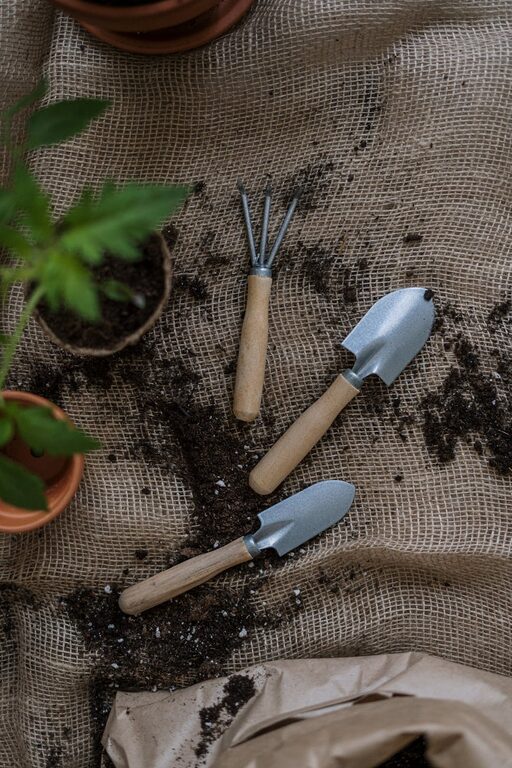
Starting an indoor herb garden is a rewarding and practical way to bring fresh flavors into your kitchen while brightening up your living space. Whether you have a windowsill, a small balcony, or just a sunny corner, growing herbs inside is easier than you might think. This guide will walk you through everything you need to know to start your own small herb garden indoors.
Why Grow Herbs Indoors?
Growing herbs indoors has several benefits:
– Freshness: Harvest herbs right when you need them for cooking.
– Convenience: No need to buy herbs at the store, which often come pre-wilted.
– Year-round growth: Indoor conditions protect plants from seasonal changes.
– Aesthetics and air quality: Plants add beauty and can help purify the air.
With minimal space and a little care, you can enjoy fresh basil, parsley, mint, and more right at your fingertips.
Step 1: Choose Your Herbs
Some herbs are better suited to indoor growing due to their light and care requirements. Here are some popular, beginner-friendly herb choices:
– Basil: Needs plenty of sunlight and regular watering.
– Parsley: Prefers moderate light and likes moisture.
– Mint: Grows vigorously and tolerates varying light.
– Chives: Least demanding and great for containers.
– Thyme: Likes bright light and well-drained soil.
– Rosemary: Prefers a sunny spot and less frequent watering.
Consider what herbs you use most in your cooking to guide your choices.
Step 2: Find the Right Containers and Soil
Containers
Choose containers with drainage holes to prevent water from pooling and causing root rot. You can use:
– Clay or ceramic pots
– Plastic pots
– Recycled containers (just ensure proper drainage)
Smaller pots (6-8 inches in diameter) work well for most herbs.
Soil
Use high-quality potting soil formulated for indoor plants, which is light and drains well. Avoid using outdoor garden soil, which may be too dense and contain pests.
Step 3: Pick the Perfect Spot
Most herbs require at least 6 hours of sunlight daily. Ideally, place your garden on:
– A south or west-facing windowsill
– A bright kitchen counter near a window
If natural light is limited, consider using a grow light with full-spectrum bulbs for 8-12 hours daily.
Step 4: Planting Your Herbs
You can start with seeds, seedlings, or small plants from a nursery.
– Seeds: Follow packet instructions. Usually, sow seeds about twice as deep as their size.
– Seedlings or small plants: Loosen the root ball gently before planting.
Fill containers with soil, plant your herbs, and water lightly to settle the soil.
Step 5: Caring for Your Indoor Herb Garden
Watering
Most herbs like the soil to dry out slightly between watering. Check the top inch of soil—if it feels dry, it’s time to water. Avoid overwatering, which can cause root rot.
Light
Ensure herbs receive enough light daily. Rotate pots every week to encourage even growth.
Feeding
Feed herbs every 4-6 weeks using a balanced liquid fertilizer diluted to half strength. This helps keep plants healthy without overfeeding.
Pruning and Harvesting
Regularly trim your herbs to encourage bushy growth. Harvest by snipping off leaves or stems as needed but avoid removing more than one-third of the plant at once. This promotes continual production.
Step 6: Troubleshooting Common Issues
– Yellowing leaves: Often caused by overwatering or poor drainage.
– Leggy plants: Result of insufficient light; consider better placement or a grow light.
– Pests: Occasionally, you might find aphids or spider mites. Wipe leaves with soapy water or use natural pest control sprays.
Step 7: Creative Ways to Display Your Herb Garden
Indoor herb gardens don’t need to be plain pots on a windowsill. Try these ideas:
– Hanging pots or wall-mounted planters
– A tiered plant stand
– Repurposed containers like teacups or mason jars
– A small indoor greenhouse kit for controlled humidity
Final Tips for Success
– Start small and expand your garden as you gain confidence.
– Learn the specific needs of each herb type.
– Keep a journal of your watering and feeding schedule.
– Enjoy the process and experiment with different herbs and containers.
With these steps, your indoor herb garden will thrive, offering fresh aromas and tastes, and a satisfying connection with nature—even inside your home.
Happy gardening!